The Forager's Almanac
Uncultivated flavors that thrive beyond store shelves, mapped to their natural terrain.
Beyond Store Shelves
Some ingredients cannot be purchased. They exist only in the wild, tied to specific ecosystems and terrain types. Birch sap flows only in early spring. Young spruce tips emerge in coniferous forests. Cloudberries grow exclusively in boggy, acidic soil.
These uncultivated flavors offer tastes unavailable through commercial channels. They require knowledge of terrain, timing, and technique.
Terrain Maps
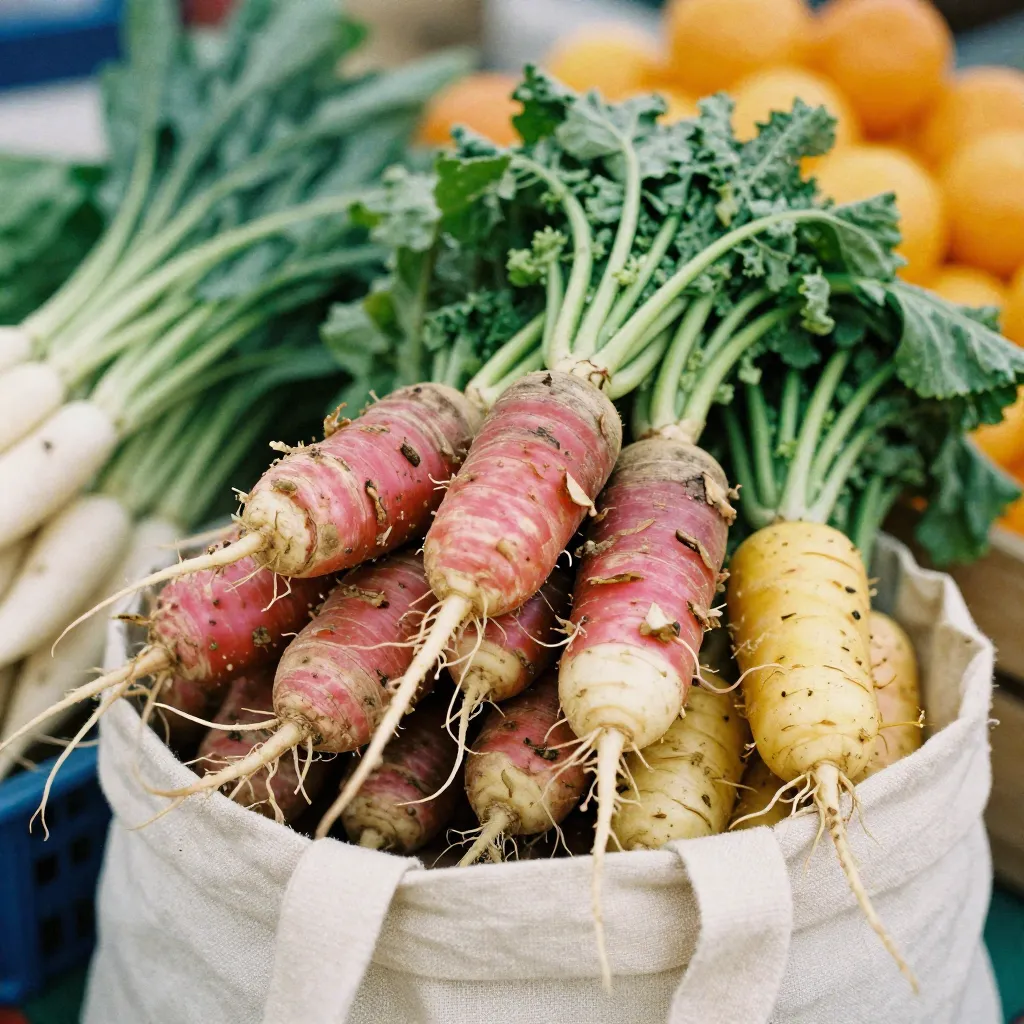
Coniferous Forests
Young spruce tips emerge in late spring, offering citrus-like flavor. Pine needles provide aromatic notes for infusions. These forests also yield chanterelles after summer rains.
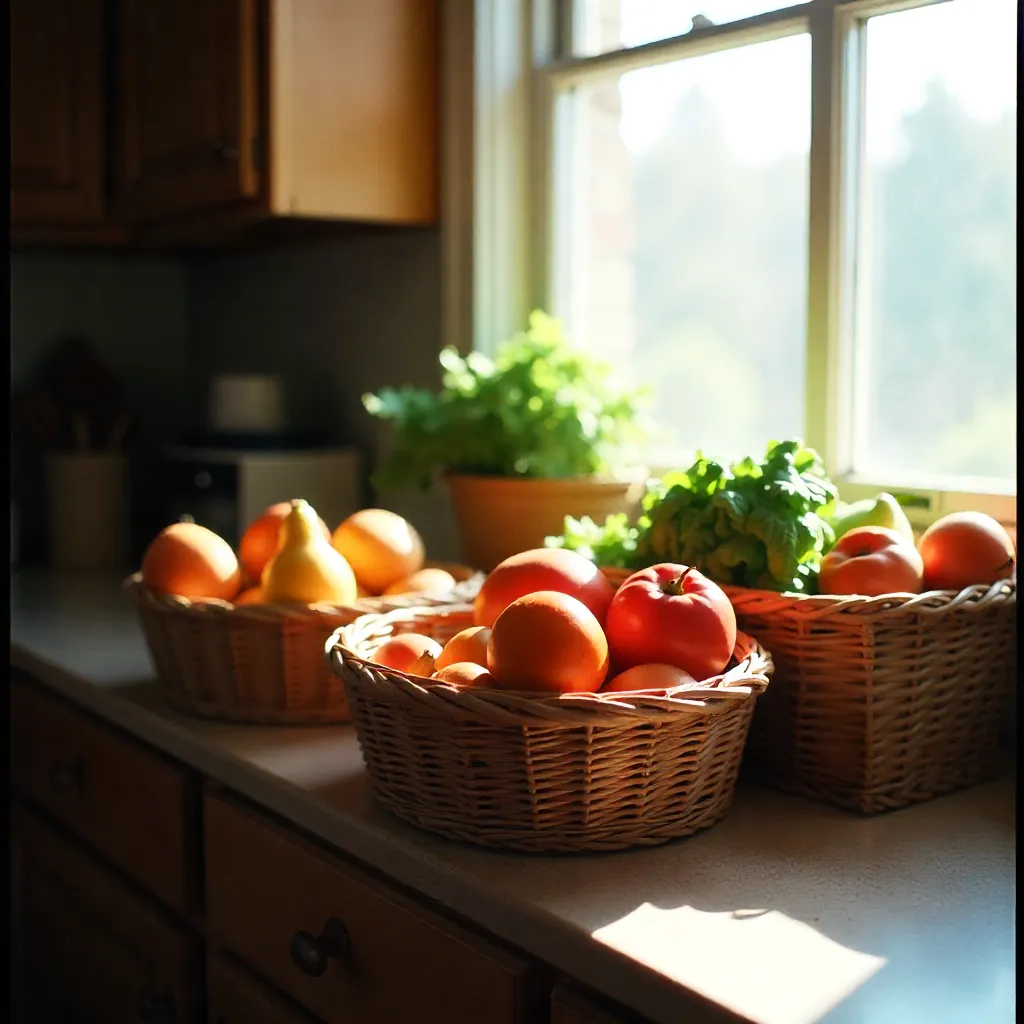
Swamp and Bog Terrain
Cloudberries thrive in acidic, boggy conditions. These amber-colored berries appear in late summer, requiring careful identification and respectful harvesting.
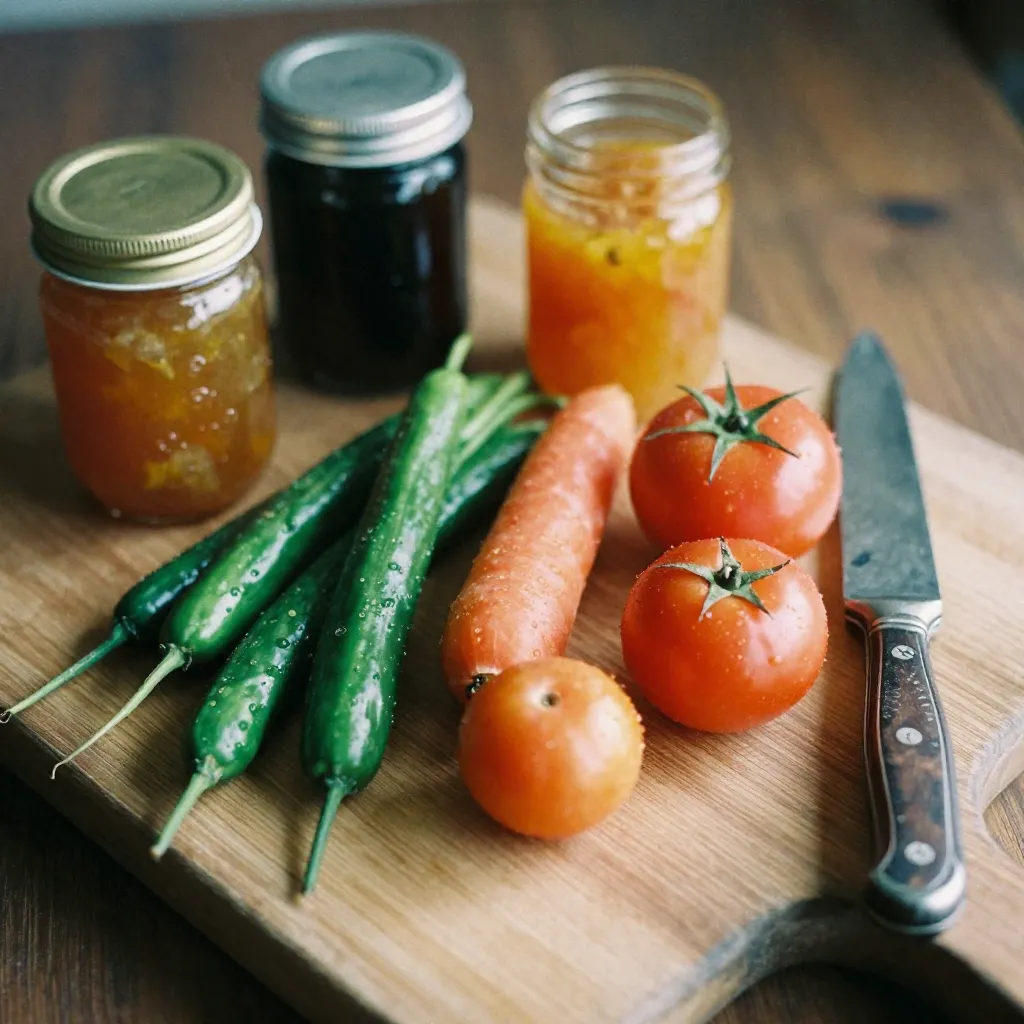
Archipelago Zones
Coastal areas offer sea vegetables and salt-tolerant plants. Sea buckthorn grows along shorelines, providing tart berries rich in nutrients.
Birch Sap Collection
Birch sap flows for only a few weeks each spring. The timing depends on temperature patterns—when daytime temperatures consistently exceed freezing but before leaf buds break. The sap runs clearest in the morning hours.
Collection requires careful technique: small taps, clean containers, and immediate processing. The sap begins to ferment quickly once collected, so timing is critical.
Wild Identification
Proper identification is essential. Many wild plants have look-alikes, some of which are toxic. Learn to recognize key features: leaf shape, growth pattern, habitat, and seasonal appearance.
When in doubt, consult multiple sources and experienced foragers. Respectful harvesting means taking only what you need and leaving enough for regeneration and wildlife.