The Root & Cellar
Time-shifting methods to preserve seasonal abundance for winter months.
The Flavor Vault
Seasonal ingredients are fleeting. Spring's wild garlic lasts weeks. Summer berries peak for days. Autumn mushrooms appear briefly. The cellar becomes a flavor vault, preserving these moments through time-shifting techniques.
Fermentation, cold-storage, and salt-curing transform perishable abundance into stable, intensified flavors. These methods don't just preserve—they enhance, developing complexity over time.
Fermentation
Lacto-Fermentation
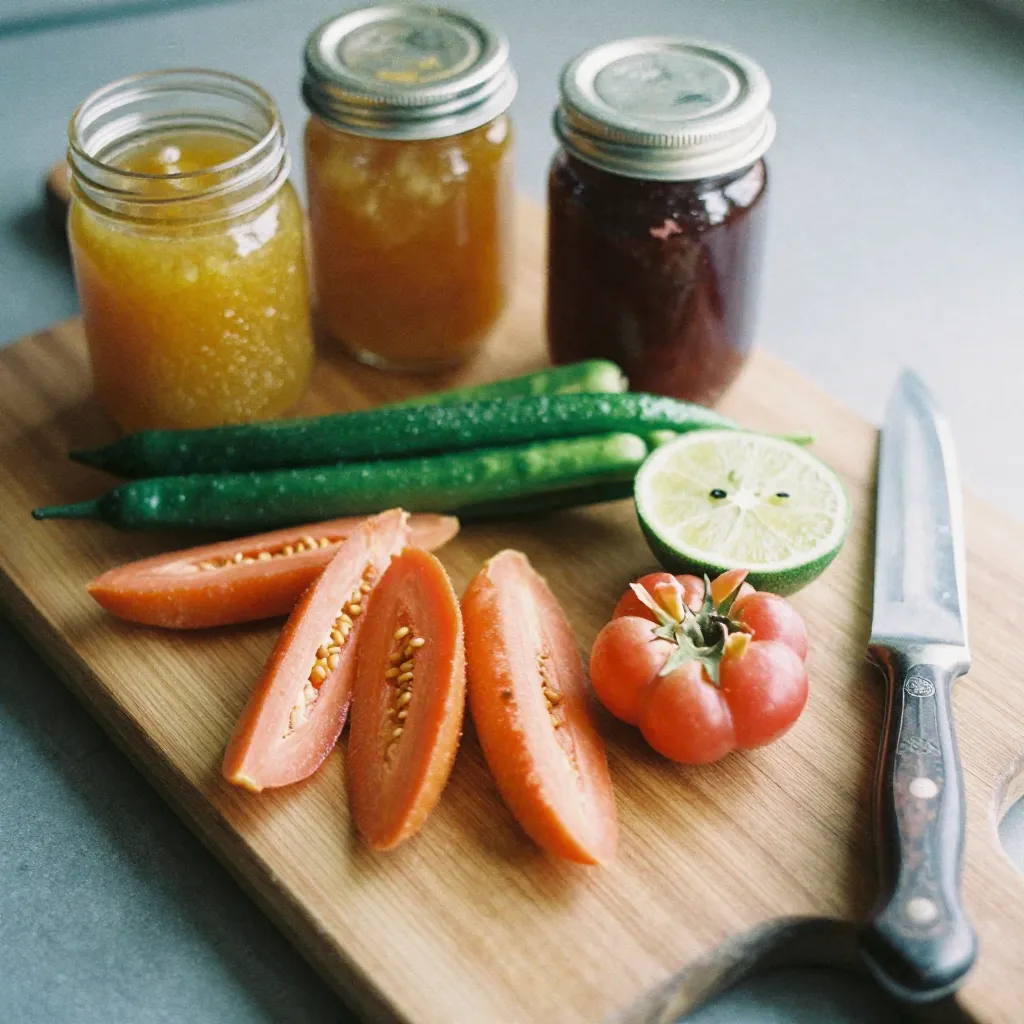
Wild greens transform through lacto-fermentation. The process preserves texture while developing tangy, complex flavors. Temperature and salt ratios determine the outcome.
Wild Ferments
Using naturally occurring bacteria from the environment, wild ferments develop unique regional character. Each batch reflects its specific location and conditions.
Cold Storage
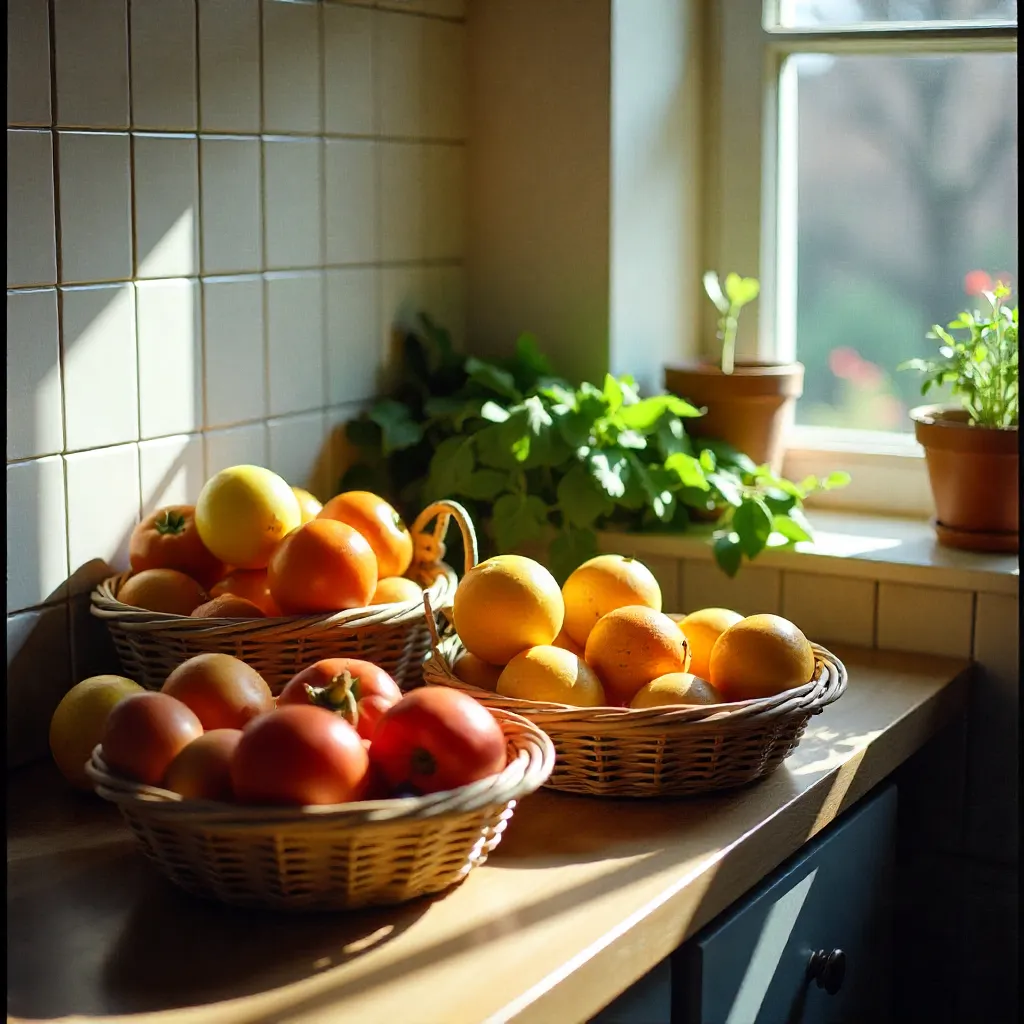
Root vegetables and hardy greens benefit from cold, humid storage. The cellar maintains consistent temperature and humidity, slowing metabolic processes while preserving freshness.
Different vegetables require different conditions. Carrots prefer high humidity and near-freezing temperatures. Potatoes need darkness and slightly warmer conditions. Understanding these requirements maximizes storage life.
Salt-Curing
Salt draws moisture and creates an environment inhospitable to spoilage organisms. This ancient method preserves while concentrating flavors. Herbs, mushrooms, and even some fruits respond well to salt-curing.
The technique requires precise salt ratios and proper storage conditions. Too little salt allows spoilage. Too much creates unpalatable results. The balance preserves flavor while ensuring safety.
Cellar Design
An effective cellar maintains consistent conditions: temperature between 2-8°C, humidity around 90%, and good air circulation. These conditions slow decay while preventing mold growth.
Organization matters. Group items by storage requirements. Monitor conditions regularly. Rotate stock to use older items first. The cellar becomes a living system, requiring attention and maintenance.